
Would your child be interested in leading their own summer book club? Book clubs are one way to encourage independent, social, and guided play in your learner, all while growing their love for reading!

Kid-Led Summer Book Clubs
read more
Would your child be interested in leading their own summer book club? Book clubs are one way to encourage independent, social, and guided play in your learner, all while growing their love for reading!

How can we balance structured and unstructured summer play? Summer play includes opportunities for your child to play independently, socially, and guided. Children benefit from summer play and we can help them think about what play might look, sound, and feel like.

The long awaited summer break is just around the corner, and while we are all looking forward to the fun summer months ahead, we might also start thinking about how we can encourage our students to continue reading during summer to prevent learning loss. You’ve spent...
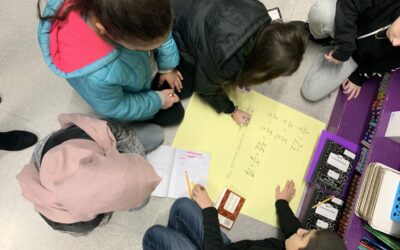
All students deserve intentional, effective, engaging learning experiences, but students with special needs require it. By implementing the strategies of ALM, teachers can better prepare to meet the needs of all of their students, but most importantly, those of their special learners.

When feedback occurs routinely, students feel safe to take risks, think more deeply about what they’re learning, and eventually become self-regulated learners.

Dialogic discussion makes speakers and listeners of everyone, opening up the possibility of co-constructed learning with teachers as facilitators. Beers and Probst, like most literacy experts, including the Collaborative for Teaching and Learning (CTL), advocate for less monologic and more dialogic interaction in classrooms, creating the type of authentic engagement that instills confidence in students by making them an integral part of the learning.

With thoughtful planning, a supportive environment, and a commitment to the process, we can help students become more critical thinkers, creative problem-solvers, and engaged learners.